The Holt Howard Company Story
Introduction
Few American giftware companies left a mark quite like Holt Howard. During the two decades following World War II, the company transformed ordinary household objects into whimsical works of art, helping define the look and spirit of mid-century American giftware. Their products brought humor, color, and personality into kitchens and dining rooms across the country, turning everything from condiment jars to candleholders into smiling characters that seemed to have lives of their own.
Founded in 1949 by Robert Howard, John Howard, and Grant Holt, Holt Howard emerged during a period of tremendous change in American life. The war had ended, consumer spending was booming, and millions of young families were establishing homes of their own. Americans were eager to embrace modern design, but they also wanted products that felt cheerful, approachable, and fun. The founders recognized that opportunity and built a company unlike any of its competitors, combining American design concepts with Japanese manufacturing to create giftware that stood apart from the more traditional household goods of the era.
What began as a small import business quickly evolved into one of the most influential names in postwar giftware. Over the next two decades, Holt Howard introduced a remarkable variety of products, from whimsical kitchen accessories and holiday decorations to imaginative serving pieces that remain highly sought after today. While many companies produced ceramics during the 1950s and 1960s, few developed such a distinctive visual identity. Holt Howard creations were playful without being childish, stylish without being formal, and often infused with a sense of humor that made them instantly recognizable.
Today, collectors remember Holt Howard not simply because the pieces they created are attractive or nostalgic, but because they possess a unique personality. Whether it is a smiling Pixieware jar, a winking holiday character, or one of the company's many imaginative animal designs, Holt Howard pieces feel less like manufactured objects and more like characters telling a story. That ability to create an emotional connection with everyday objects remains one of the company's most enduring achievements and helps explain why collectors continue to seek out and celebrate Holt Howard more than seventy-five years after the company was founded.
The Founders
Robert Howard

Of the three founders of Holt Howard, Robert Howard is the name most closely associated with the company's creative legacy. While all three partners played essential roles in building the business, Robert served as its primary design force, helping shape the distinctive style that would come to define Holt Howard throughout the 1950s and 1960s. His ability to blend humor, personality, and practical function transformed ordinary household objects into memorable characters that continue to delight collectors decades later.
Born in 1923, Robert grew up during a period when American design was undergoing significant change. He possessed an artistic talent from an early age and later attended Amherst College, where he met Grant Holt. Together with Robert's brother, John Howard, the three friends would eventually form Holt Howard in 1949. From the beginning, Robert's role within the company centered on product design and creative development, areas in which his talents quickly distinguished both him and the company from competitors.
Unlike many giftware manufacturers of the era, Holt Howard did not simply produce decorative objects. Under Robert's influence, everyday household items became characters with distinct personalities. Condiment jars smiled mischievously from kitchen tables. Holiday decorations winked at their owners. Animals, children, and pixies seemed to come alive through expressive faces and imaginative details. Even the most utilitarian objects were approached as opportunities for storytelling.
Robert was more than a designer sketching ideas from an office. He worked closely with manufacturers, frequently traveling overseas and collaborating directly with production partners to transform concepts into finished products. Walter Dworkin later recalled watching Robert sketch Pixie faces from memory while visiting production facilities in Japan, bringing characters to life with seemingly effortless creativity. His combination of artistic imagination and practical manufacturing knowledge helped ensure that Holt Howard's most ambitious ideas could successfully reach the marketplace.
Many of the company's most beloved lines—including Pixieware, holiday giftware, novelty kitchen accessories, and countless character-based designs—reflect Robert's talent for creating emotional connections through everyday objects. Collectors often describe Holt Howard pieces as having a sense of warmth and personality that distinguishes them from similar products of the era. Much of that charm can be traced directly to Robert's artistic vision.
Following the sale of Holt Howard to General Housewares in 1968, Robert Howard continued his design career, creating products for a wide range of companies and remaining active in the giftware industry for many years. Yet it was his work at Holt Howard that secured his place in collecting history. Beyond helping pioneer the modern coffee mug, Robert brought an artist's imagination to everyday household objects, transforming ordinary kitchenware into characters filled with humor, warmth, and personality.
Those who knew him remembered not only his creativity, but also his generosity, professionalism, and devotion to family. As his son later recalled, Robert approached design from both an artistic and marketing perspective, worked collaboratively with factory partners around the world, and remained passionate about painting throughout his life. Decades later, collectors still respond to the same qualities that made his designs successful in the first place: charm, originality, and a distinctly human touch. More than thirty years after his passing in 1990, Robert Howard's creative legacy continues to live on through the countless Holt Howard pieces still treasured in collections around the world.
Continue to the dedicated profile article for a deeper look at Robert Howard's life, artwork, design philosophy, and lasting influence on Holt Howard collectibles.
John Howard

John Whitman Howard was born in Cambridge, Massachusetts, in 1925 and grew up in nearby Walpole. Like his brother Robert, he attended Amherst College, but his education was interrupted by World War II. After completing his first semester, Howard entered military service and was eventually assigned to the famed First Infantry Division in Europe. On Thanksgiving Day 1944, he was wounded by shrapnel while serving in France. After recovering and completing his education, he joined Robert Howard and Grant Holt in what would become one of the most influential giftware companies of the postwar era.
When Holt Howard was founded in 1949, each of the three partners naturally gravitated toward different responsibilities. Robert Howard focused on product design and development, Grant Holt oversaw financial affairs and office operations, and John Howard assumed responsibility for sales management. It was a role that suited both his personality and his talents.
As the company grew during the 1950s, Howard became one of the key architects of its long-term strategy. He later recalled that the early years were largely devoted to survival—selling products, controlling expenses, and gradually establishing a foothold in the highly competitive giftware industry. As sales increased and the company expanded beyond Christmas merchandise into year-round kitchen and housewares products, Howard recognized that Holt Howard could no longer operate simply from one season to the next.
— John Howard
One of Howard's most important contributions was helping guide Holt Howard's transition from a small domestic operation into an international enterprise. Working closely with manufacturers in Japan, he helped establish relationships with factories capable of producing the distinctive designs the company required while maintaining the quality standards that became a hallmark of the Holt Howard name. He also played a central role in expanding the company's sales network across the United States, eventually helping establish Holt Howard West in California and Holt Howard Canada to better serve growing markets beyond the Northeast.
Howard's vision extended beyond North America. Recognizing opportunities overseas, he helped develop partnerships that brought Holt Howard products into international markets, most notably through the company's long relationship with John E. Buck & Company in England. These efforts transformed Holt Howard from a regional giftware business into a company with an increasingly global presence.
— John Howard
Just as importantly, Howard understood changing consumer tastes. He strongly believed that decorative housewares could be more than simple utilitarian products. Under the founders' leadership, Holt Howard helped popularize colorful, coordinated kitchen accessories and played a major role in introducing the coffee mug as an everyday alternative to the traditional cup and saucer.
Although collectors often associate Holt Howard most closely with Robert Howard's beloved designs, the company's remarkable growth was equally dependent upon John Howard's leadership. His ability to build sales networks, cultivate business relationships, expand into new markets, and think strategically about the future helped transform a small startup founded by three college friends into one of the most successful and influential names in American giftware. If Robert Howard provided much of the company's creative soul, John Howard helped build the organization that carried those ideas into homes across the country and around the world.
Grant Holt

Grant Holt was born in Evanston, Illinois, and first met brothers Robert and John Howard while all three were students at Amherst College in Massachusetts. Their friendship would ultimately lead to the creation of Holt Howard in 1949, a partnership that combined creative talent, sales expertise, and business management into one of the most successful giftware companies of the postwar era.
While Robert Howard became the company's chief creative force and John Howard directed sales and expansion, Grant Holt assumed responsibility for financial affairs and office operations. It was a role that rarely attracted public attention, but it proved essential to the company's success. Every growing business needs someone focused on budgets, logistics, inventory, contracts, and day-to-day administration. For Holt Howard, that person was Grant Holt.
The challenges facing a young import company in the 1950s were substantial. Products had to be developed months in advance, orders placed with overseas manufacturers, shipments coordinated across the Pacific, and inventory financed long before a single item reached a retailer's shelves. As Holt Howard expanded from a small New York startup into a nationally recognized brand, the complexity of those operations increased dramatically. Holt's steady management helped provide the stability necessary for that growth.
Beyond overseeing the company's finances, Holt also played an important role in marketing and business development. The founders shared responsibility for promoting the company's products and building relationships throughout the giftware industry. While Robert Howard's designs captured attention and John Howard's sales efforts expanded distribution, Grant Holt helped ensure that the company could continue growing without losing control of its operations.
One of Holt's greatest contributions may have been his ability to balance creativity with practicality. Holt Howard's products often appeared whimsical and spontaneous, but behind every successful product line stood careful planning, manufacturing schedules, shipping logistics, and financial oversight. The company's ability to repeatedly introduce innovative products while maintaining steady growth required both imagination and discipline. Grant Holt provided much of that discipline.
When Holt Howard was sold to General Housewares in 1968, the company had grown far beyond the small enterprise founded by three college friends nearly twenty years earlier. Although collectors today most often recognize the names Robert Howard and Pixieware, the company's success rested equally on the contributions of all three founders. Grant Holt may have worked largely behind the scenes, but his role was fundamental. The creative vision of Robert Howard and the sales leadership of John Howard could not have flourished without the strong business foundation that Grant Holt helped build.
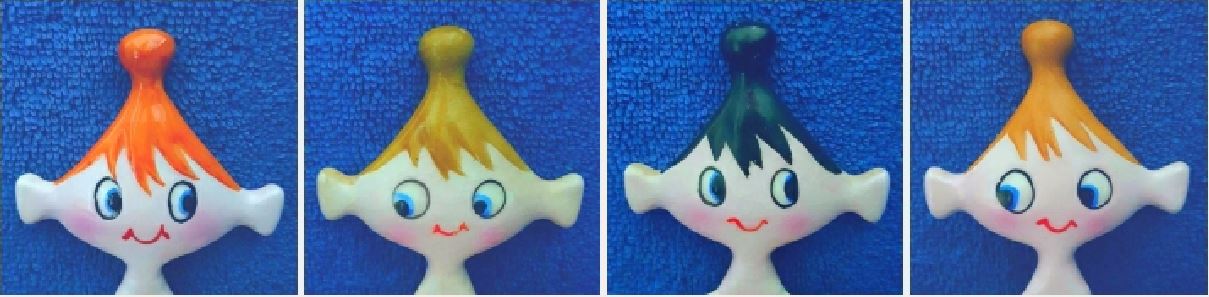
Building a Different Kind of Giftware Company
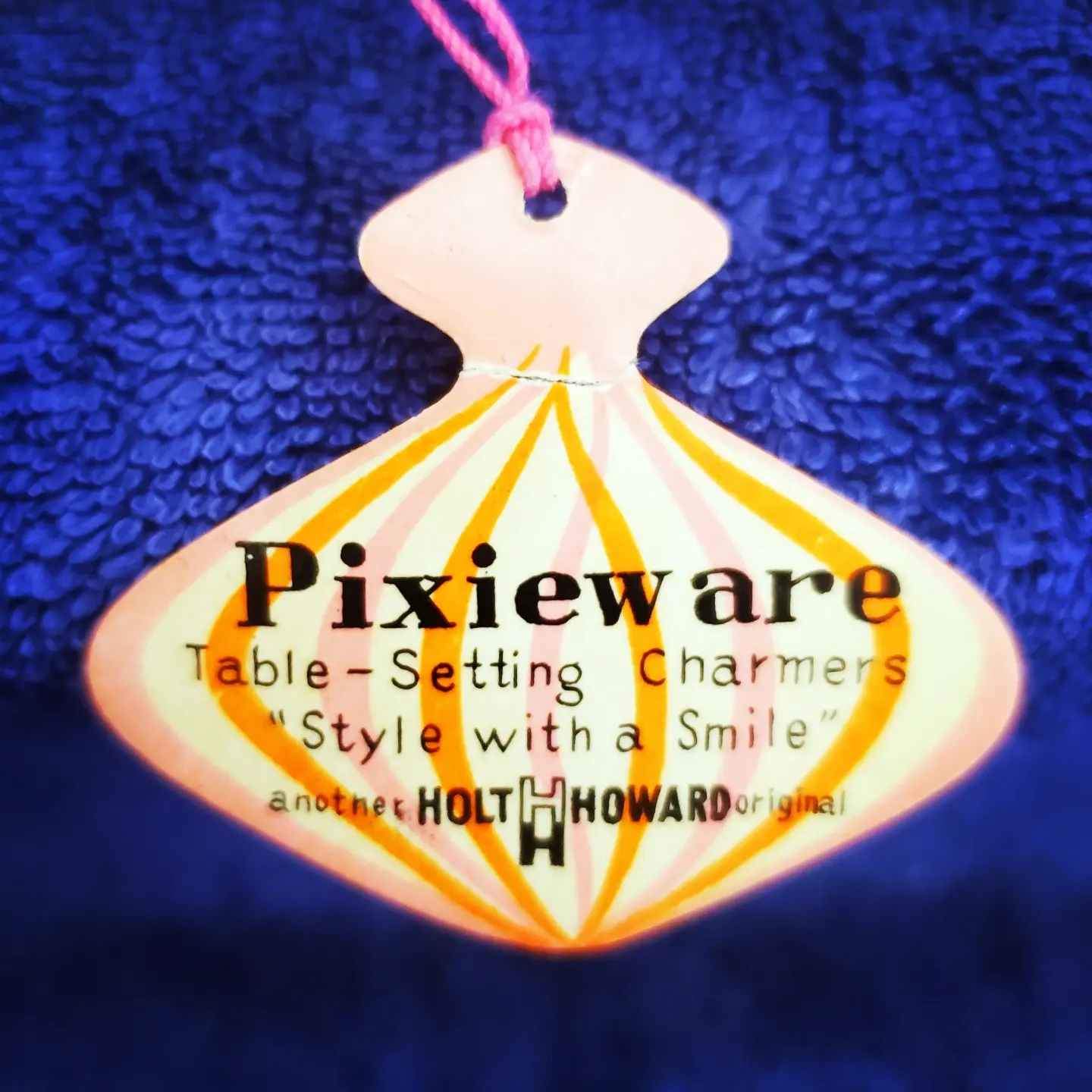
By the early 1950s, Holt Howard had moved beyond its beginnings as a small importer of Christmas merchandise and was developing a broader vision for the future. While many American giftware companies focused on decorative objects or traditional household ceramics, Holt Howard began carving out a unique identity. The founders recognized that postwar consumers were looking for products that reflected the optimism, informality, and growing prosperity of the era. Their answer was to create housewares and giftware that were not only functional, but also playful, colorful, and full of personality.
The company's success depended upon a partnership that combined American creativity with Japanese craftsmanship. Designs were conceived in the United States, then produced by skilled manufacturers in Japan who could bring the founders' ideas to life. This arrangement allowed Holt Howard to offer products that were imaginative, well-made, and competitively priced.
What distinguished Holt Howard from many competitors was its willingness to find humor and character in everyday objects. A sugar bowl did not have to be merely a container for sugar. A condiment jar did not have to be purely utilitarian. A holiday decoration could be more than a seasonal ornament. Again and again, the company looked at ordinary household items and asked how they might become more engaging, more expressive, and more memorable.
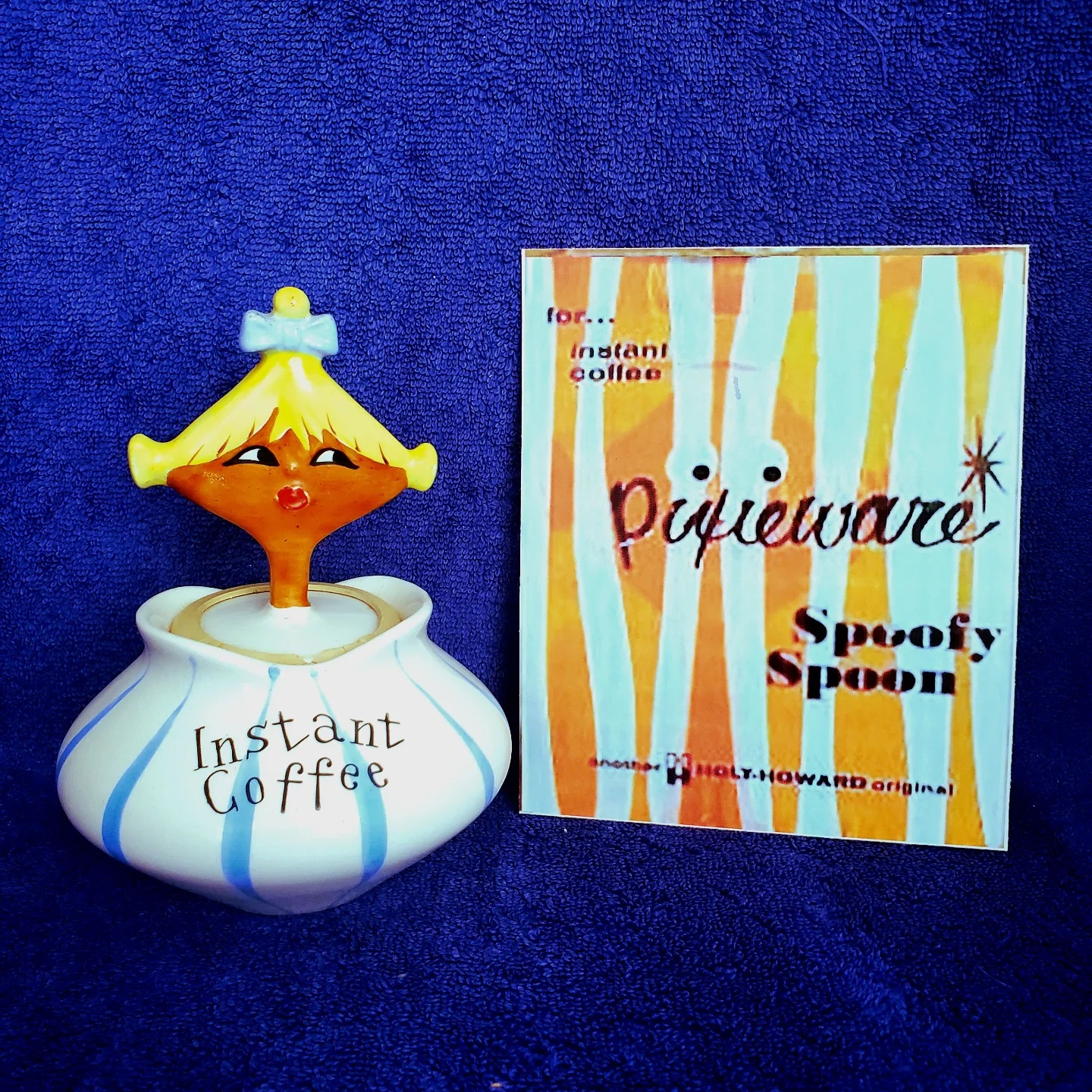
Rather than treating household products as static objects, Holt Howard often approached them as characters. Faces smiled, winked, and grinned from kitchen counters and dining tables. Animals displayed human emotions. Everyday accessories seemed to possess their own personalities and stories. Owners did not simply use them; they formed connections with them.
That philosophy can be seen even in some of the company's simplest products. An ordinary container for instant coffee became a cheerful kitchen companion. A butter dish became a miniature story, with two Cozy Kittens hiding beneath a blanket, peeking out from underneath the bedspread while their tails emerge from the opposite side of the lid. A set of condiment jars became a collection of distinct personalities. Again and again, Holt Howard looked beyond an object's practical purpose and searched for ways to make it charming, humorous, and memorable.
This combination of creativity and practicality proved remarkably successful. As the company expanded throughout the 1950s and 1960s, retailers discovered that customers responded enthusiastically to products that combined function with humor. Holt Howard pieces brightened kitchens, dining rooms, and holiday celebrations while remaining accessible to ordinary consumers.
Looking back today, it is easy to see why Holt Howard developed such a devoted following. The company understood something that many manufacturers overlooked: people often form attachments to the objects they use every day. By infusing those objects with warmth, humor, and personality, Holt Howard transformed ordinary housewares into memorable companions. That design philosophy would find its fullest expression in the company's most famous creation: Pixieware.
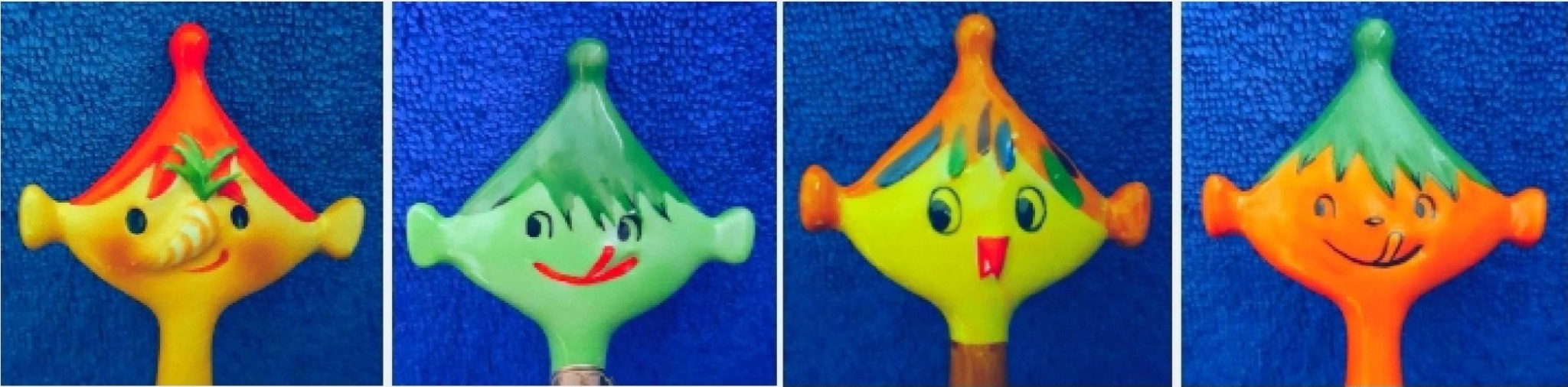
The Rise of Pixieware
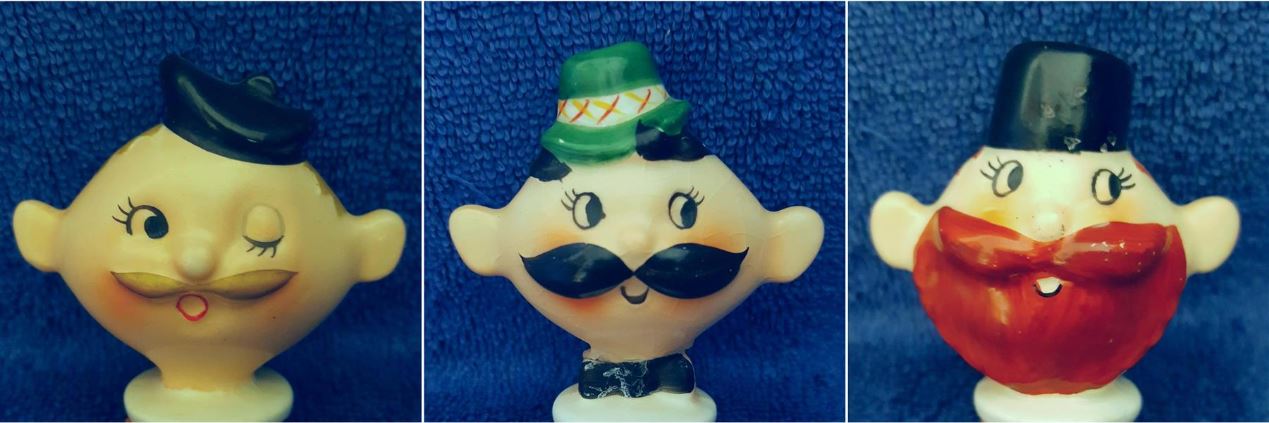
If any single product line came to define Holt Howard in the minds of collectors, it was Pixieware. Introduced during the late 1950s, the line transformed ordinary kitchen accessories into whimsical characters that seemed to possess personalities of their own. Condiment jars smiled mischievously from countertops. Serving pieces wore bow ties and grins. Everyday household items that might otherwise have gone unnoticed became playful companions in the kitchen and at the dining table.
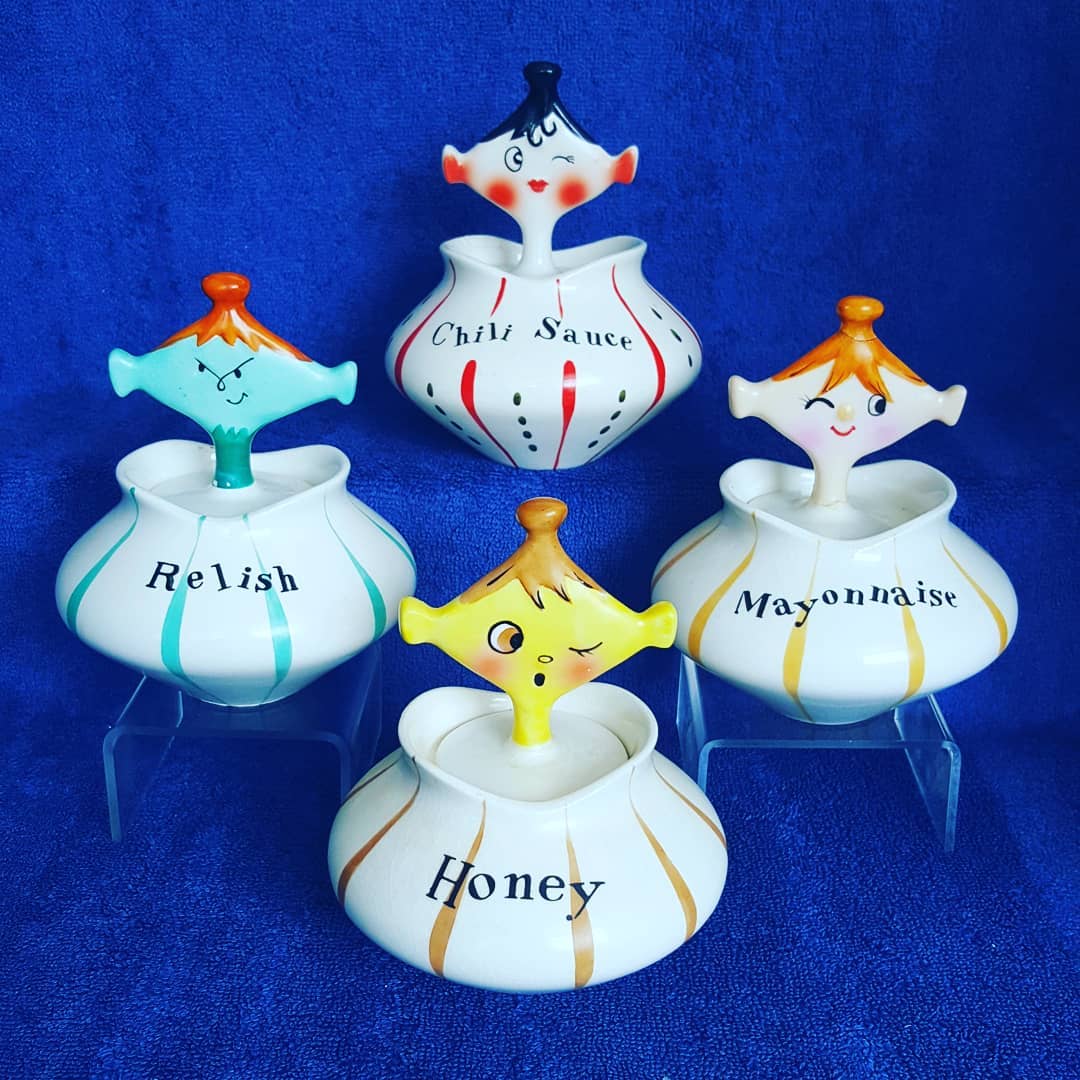
At its core, Pixieware was a simple idea executed brilliantly. Rather than viewing a honey jar, mustard jar, relish jar, or serving dish as purely functional objects, Holt Howard imagined them as characters. Each piece featured distinctive pixie faces, expressive eyes, colorful hair, and playful details that gave it a unique personality.
The line perfectly embodied the design philosophy that had guided Holt Howard throughout the previous decade. Kitchen accessories became characters. Condiment jars became cast members. Serving pieces became conversation starters. What might have been ordinary housewares in the hands of another manufacturer became something entirely different in the hands of Holt Howard.
Part of Pixieware's appeal lies in its remarkable variety. Over a relatively short period, Holt Howard introduced dozens of different pieces, ranging from condiment jars and serving dishes to kitchen accessories and specialty items. Some pieces were produced in multiple colors or slight variations. Others appeared only briefly before disappearing from production. The hunt itself became part of the appeal.
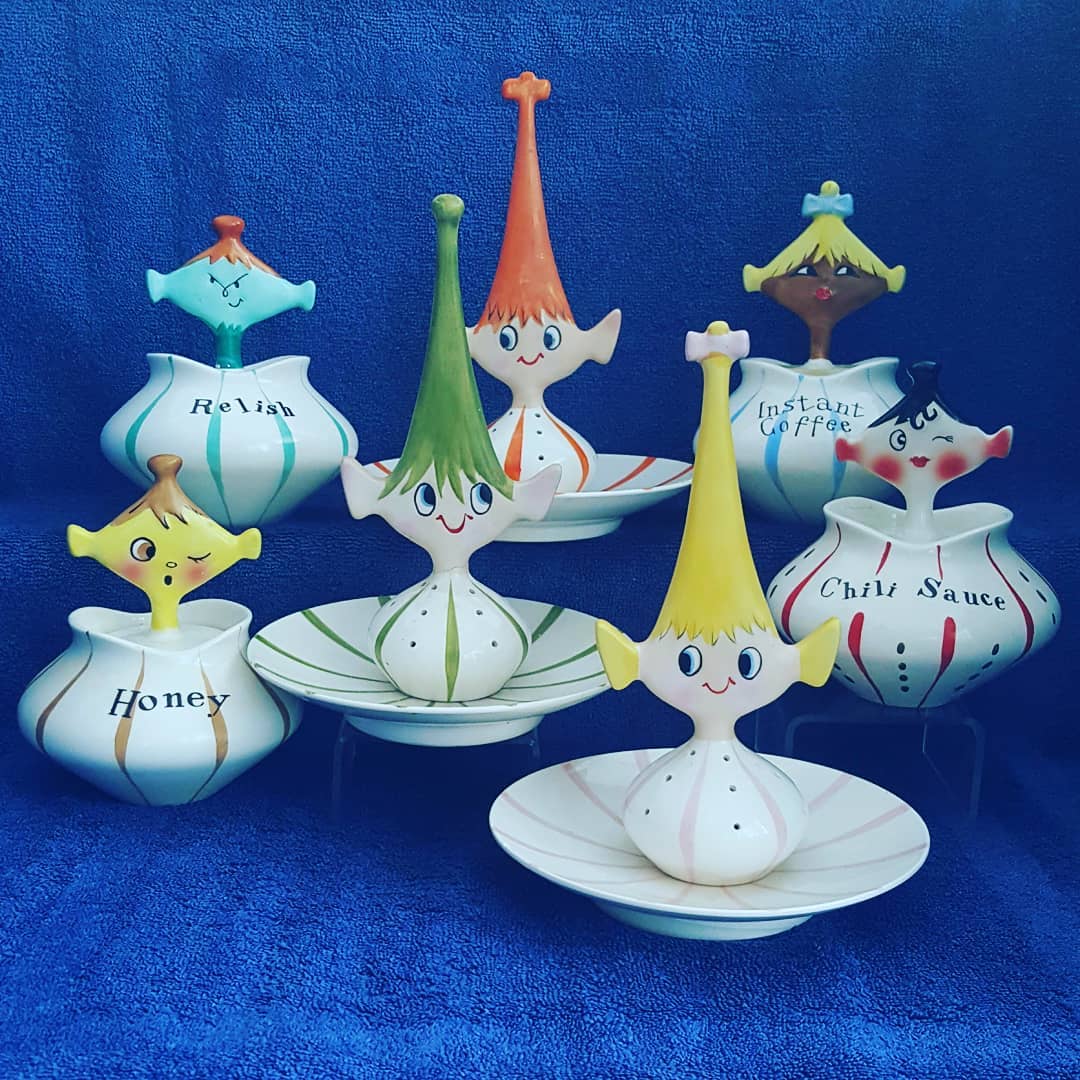
For many collectors, Pixieware serves as the gateway into the broader world of Holt Howard collecting. The pieces are instantly recognizable, visually distinctive, and filled with the humor and personality that characterize the company's best work. A collector may begin with a single mustard jar and quickly discover an entire universe of related pieces, variations, accessories, and companion items.
Pixieware's influence extended well beyond Holt Howard itself. As the line grew in popularity, competing companies introduced their own pixie-themed kitchenware and character ceramics. Over time, the term “Pixieware” began to evolve beyond its original meaning. Although Holt Howard created and trademarked the line, collectors today often use the word more broadly to describe an entire category of pixie-themed kitchen ceramics, including pieces produced by other manufacturers. In that sense, Pixieware has become something of a proprietary eponym—a brand name that eventually came to describe the wider collecting category it inspired.
More than sixty years after the first Pixieware pieces appeared, collectors continue to search for them, display them, and celebrate them. What began as a whimsical line of kitchen accessories has become one of the most recognizable and beloved collecting categories in all of mid-century American ceramics. For many collectors, Pixieware is not merely the signature line of Holt Howard—it is the heart of the entire hobby.

Beyond Pixieware
As successful as Pixieware became, it represented only one chapter in the larger Holt Howard story. The company's designers were constantly experimenting with new characters, themes, and artistic styles, producing a remarkable variety of product lines that reflected the same imagination and personality found throughout their catalog. While Pixieware would ultimately become the line most closely associated with the company, it was far from the only example of Holt Howard's creative success.
One of the company's enduring strengths was its refusal to become trapped by a single idea. Rather than endlessly repeating successful formulas, Holt Howard continually explored new directions. Some lines leaned heavily into humor and character. Others emphasized color, design, or Americana themes. Together, they reveal a company that was remarkably willing to experiment and evolve.
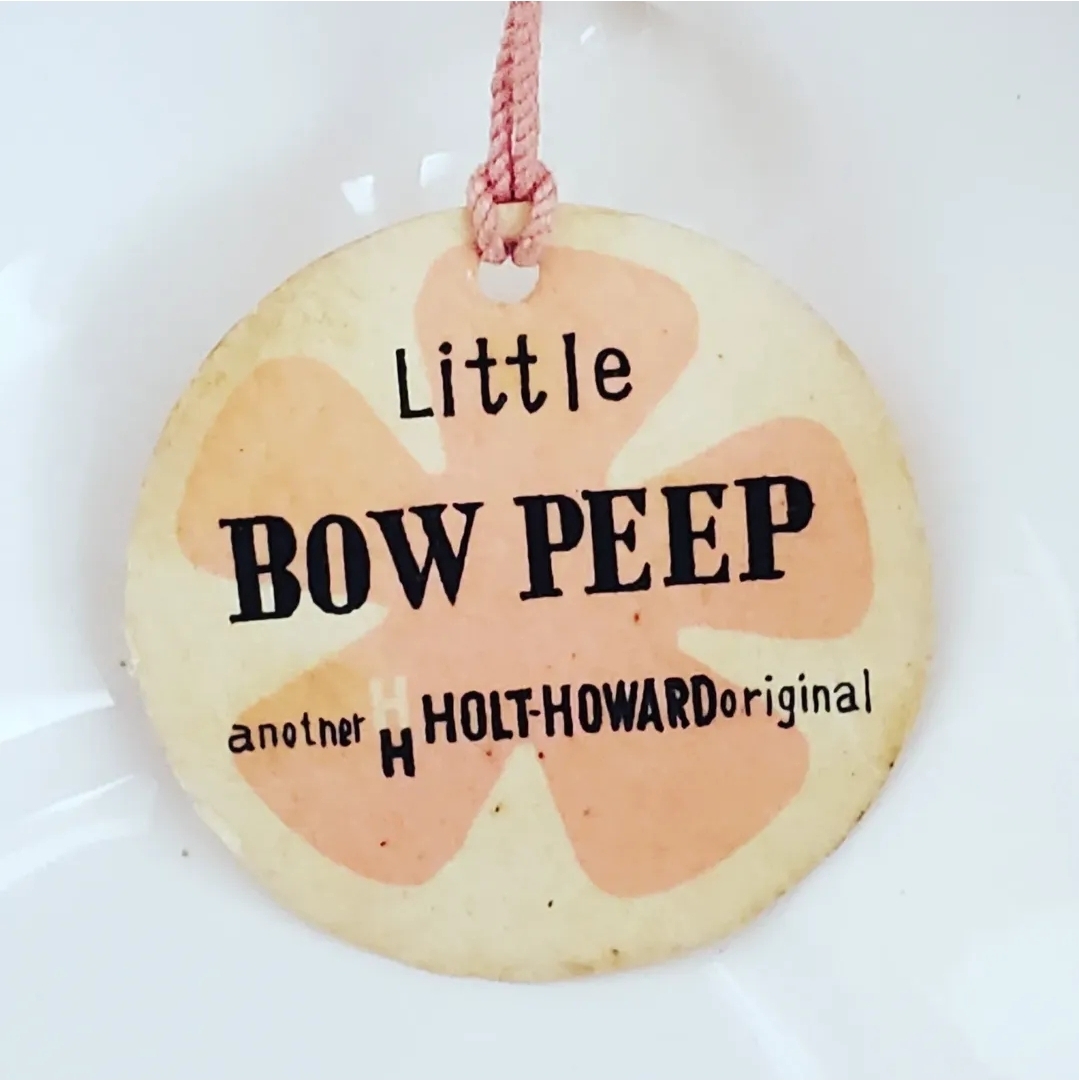
The Little Bow Peep, Peepin' Tom & Tweetie line demonstrates this playful spirit perfectly. Drawing inspiration from nursery-rhyme imagery and whimsical storytelling, the pieces transformed familiar childhood characters into decorative household accessories. Like Pixieware, the line relied on personality and visual charm, but it did so through an entirely different aesthetic.
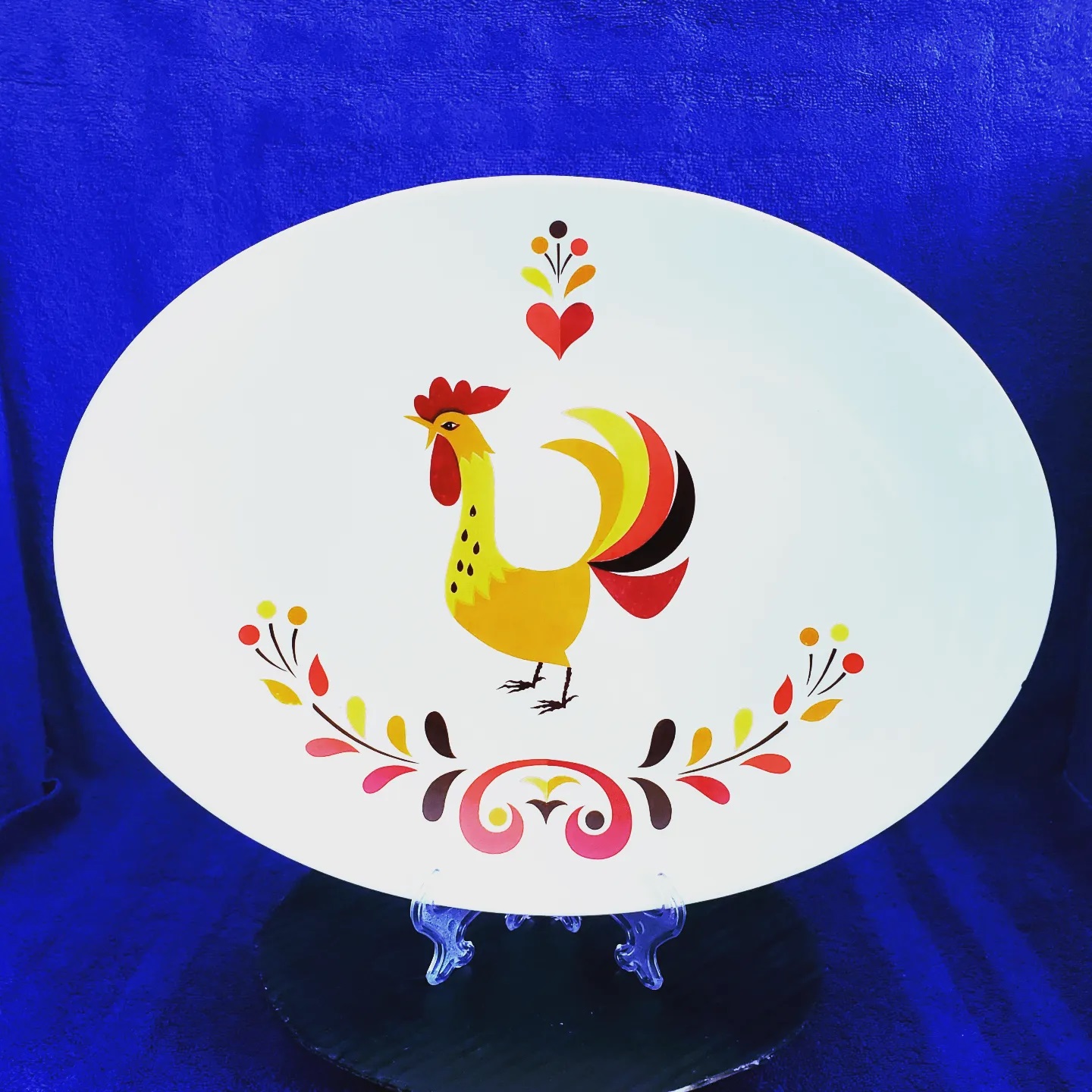
The Coq Rouge line revealed another side of the company's creativity. Featuring boldly stylized roosters rendered in vivid colors, Coq Rouge combined whimsical subject matter with striking mid-century design. The pieces were decorative, functional, and visually sophisticated, demonstrating that Holt Howard's appeal extended beyond character-driven novelty items. Even today, Coq Rouge remains one of the company's most recognizable and admired non-Pixieware lines.
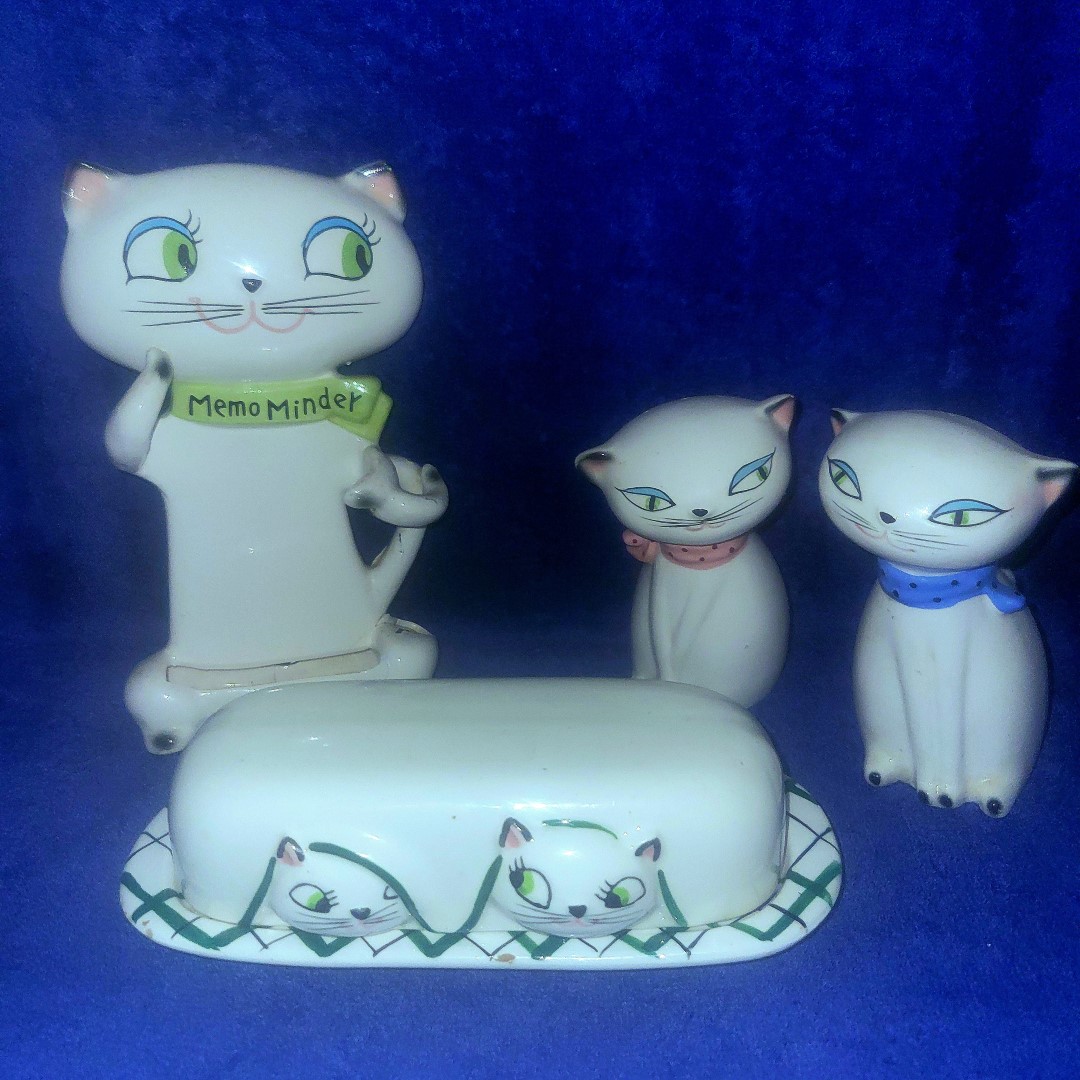
If Coq Rouge showcased Holt Howard's artistic range, Cozy Kittens demonstrated the company's gift for storytelling. The line transformed ordinary household items into miniature scenes filled with personality and charm. The cats were not merely decorations; they were characters with identities and attitudes of their own. Like Pixieware, Cozy Kittens inspired numerous imitators as other manufacturers attempted to capitalize on the growing popularity of whimsical ceramic cats.
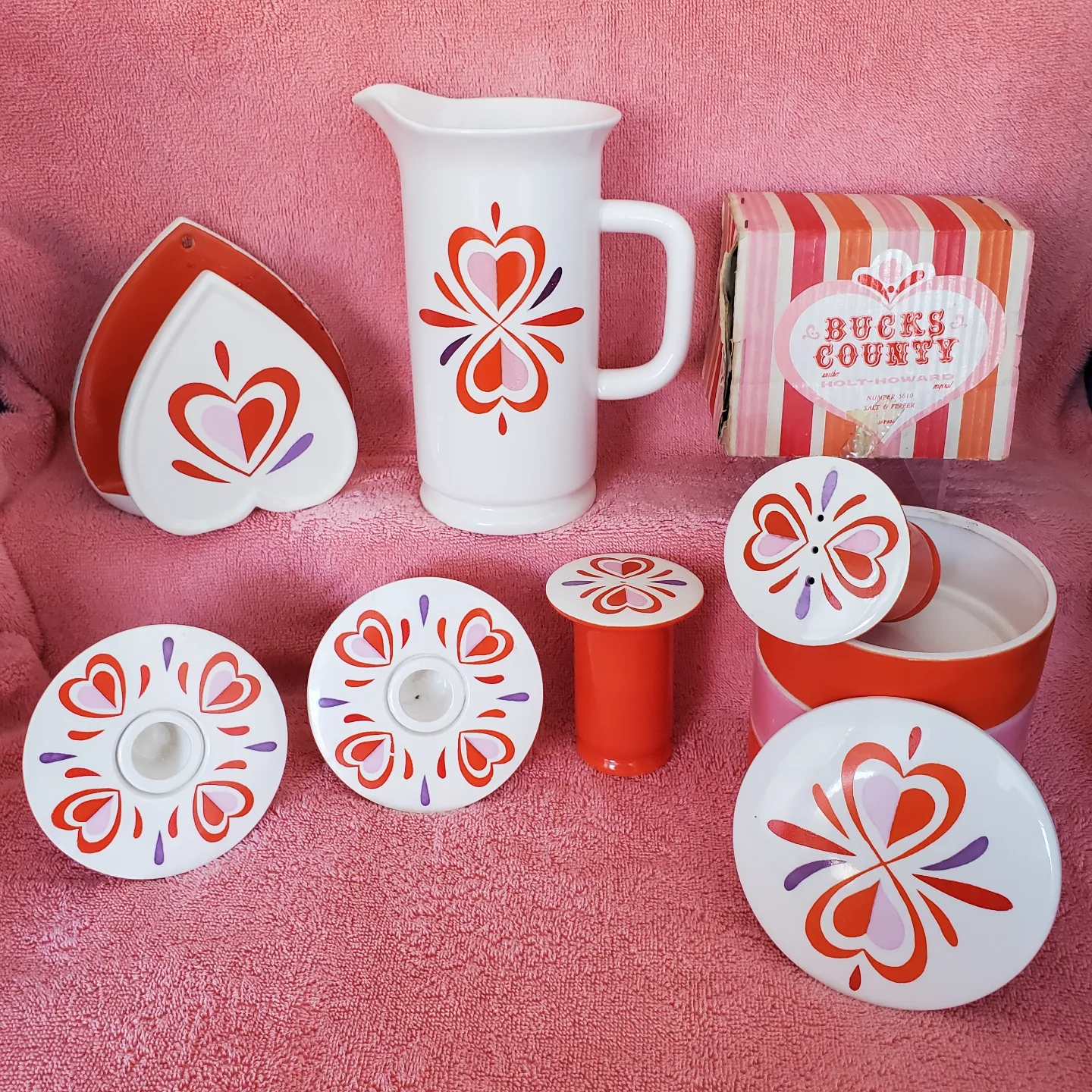
Other lines explored entirely different directions. Bucks County embraced a more traditional Early American aesthetic, proving that Holt Howard was capable of far more than whimsical character ceramics. The company continually demonstrated an ability to adapt its creative approach to different themes, audiences, and styles without losing the sense of personality that made its products distinctive.
Taken together, these lines reveal the true breadth of Holt Howard's creative output. Pixieware may occupy center stage in the minds of many collectors, but it existed within a much larger universe of designs that ranged from playful and humorous to decorative and sophisticated. The company's willingness to experiment, innovate, and continually reinvent itself helped ensure that there was always something new waiting for customers and collectors to discover.
That same creative energy would find one of its most successful expressions in Holt Howard's holiday merchandise, particularly the Christmas collectibles that remain among the most sought-after pieces the company ever produced.
Christmas at Holt Howard

If Pixieware became Holt Howard's most recognizable year-round success, Christmas was the season that helped build the company in the first place. Long before the introduction of Pixieware in the 1950s, Holt Howard found early success with holiday merchandise, particularly imported Christmas decorations and giftware. Those early holiday lines helped establish the young company and provided the foundation upon which later successes would be built.
The founders quickly recognized that Christmas offered an opportunity to create products that were both decorative and deeply personal. Families brought holiday items out year after year, creating traditions that often lasted for generations. Holt Howard embraced that idea wholeheartedly, producing pieces that combined festive charm, humor, and distinctive design in ways that stood apart from more conventional holiday merchandise of the era.
Rather than treating Christmas as simply another decorating season, Holt Howard approached it as a chance to create memorable characters. Smiling Santas, whimsical elves, playful angels, and cheerful holiday animals appeared across a wide variety of products. Candleholders, planters, mugs, figurines, cards, and serving pieces all received the same imaginative treatment that characterized the company's broader product lines.
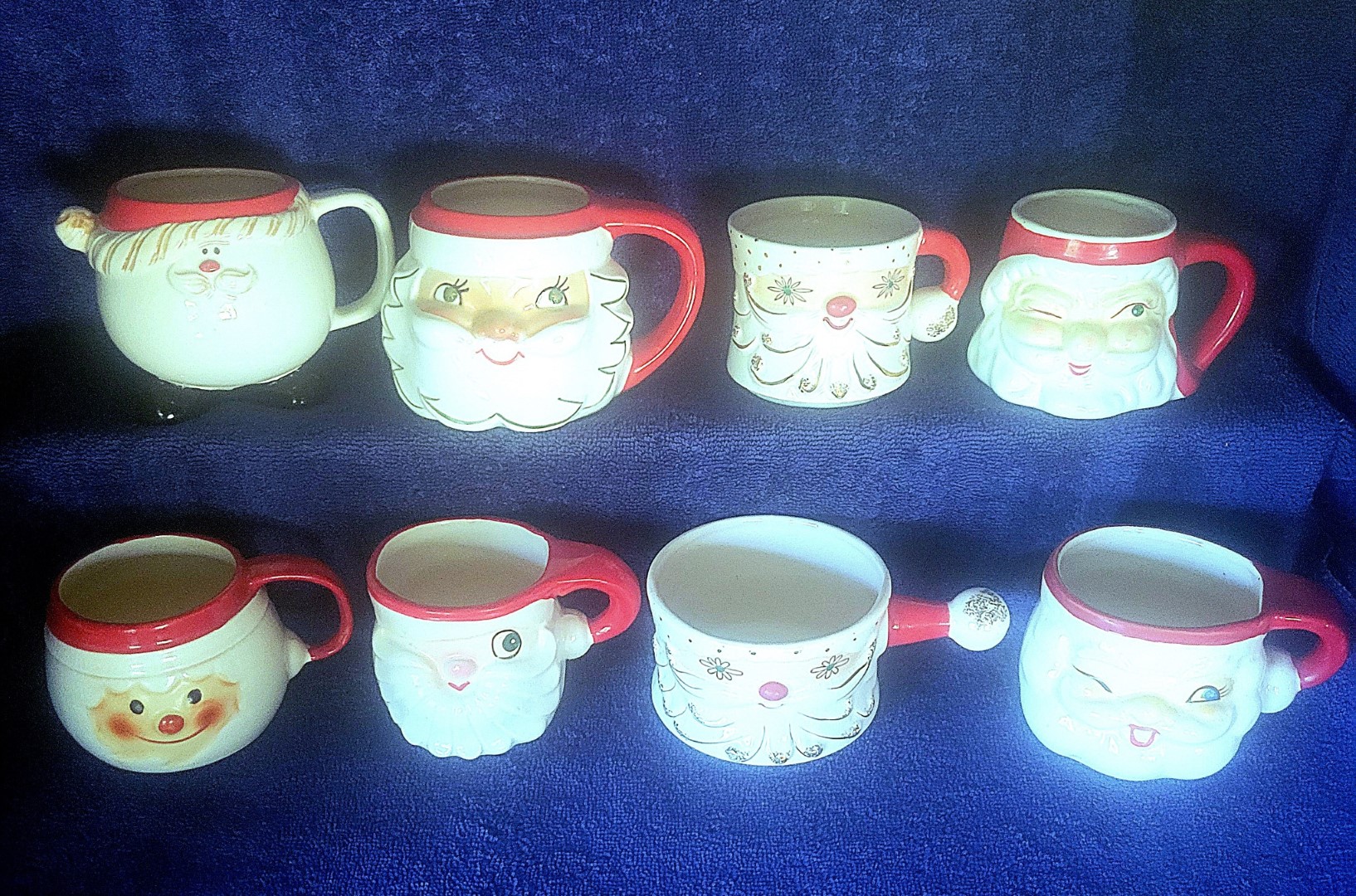
Among all of Holt Howard's Christmas creations, none have become more celebrated than the company's Santa mugs. Introduced during the 1950s and produced in numerous variations over the following years, the mugs transformed an ordinary drinking vessel into a collectible work of holiday art. Different facial expressions, eye styles, beard treatments, and decorative details gave each version its own personality, encouraging collectors to seek out examples from multiple production years.
Today, Santa mugs have become one of the most actively collected categories within the entire Holt Howard universe. Rare examples routinely command strong prices, and certain variations have achieved an almost legendary status among collectors. For many enthusiasts, a shelf filled with Santa mugs captures everything that makes Holt Howard special: creativity, personality, craftsmanship, and an unmistakable sense of fun.
The popularity of Holt Howard's Christmas products extended far beyond mugs. The company produced greeting cards, ornaments, table decorations, candleholders, gift items, and countless other seasonal novelties. Many pieces were intended to bring a smile, while others embraced the warmth and nostalgia associated with family holiday traditions.
Even decades after the company ceased operations, Christmas remains one of the strongest areas of collector interest. Holiday displays frequently serve as the centerpiece of major collections, and each year collectors proudly unpack pieces that may have been cherished by families for generations. That enduring connection between object, memory, and tradition helps explain why Holt Howard Christmas collectibles continue to captivate collectors more than seventy-five years after the company was founded.
Rediscovery, Collecting & A Research Note

More than half a century after the sale of Holt Howard and decades after the company ceased operations, interest in its products remains remarkably strong. What began as a postwar giftware company has become a vibrant collecting hobby supported by thousands of enthusiasts who continue to buy, sell, research, display, and preserve the company's creations. New collectors discover Holt Howard every year, often drawn in by a single piece before gradually uncovering the remarkable breadth of the company's catalog.
Part of Holt Howard's enduring appeal lies in the fact that the story is still being written. New examples continue to surface. Previously undocumented variations are still discovered. Original catalogs, advertisements, photographs, and company materials occasionally emerge from attics, estates, and long-forgotten collections. Even today, collectors continue to debate production dates, identify rare forms, and uncover details that deepen our understanding of the company's history.
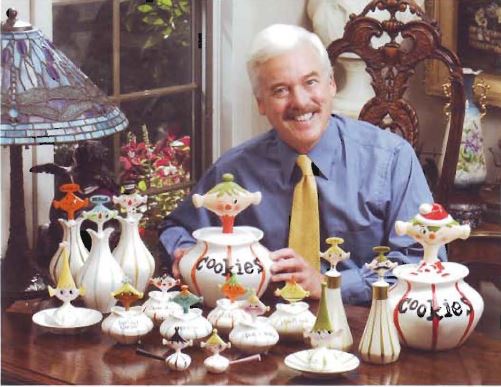
No discussion of Holt Howard research would be complete without acknowledging the work of Walter Dworkin, whose collector guides introduced many enthusiasts to the breadth of the company's product lines and helped preserve an enormous amount of information that might otherwise have been lost. While subsequent research has expanded upon, refined, and occasionally corrected portions of that work, Walter's contributions remain an essential foundation for nearly everything that followed. His guides inspired a generation of collectors and provided a starting point for much of the research that continues today.
The growth of online collecting communities has further expanded our understanding of Holt Howard. Collectors now share photographs, compare variations, document discoveries, and exchange information with a speed that would have been unimaginable during the years when the original guides were published. Many of the observations, corrections, and discoveries documented throughout this archive are the result of that collective effort.
This archive exists in that same spirit. Its purpose is not only to celebrate Holt Howard's most famous creations, but also to preserve information, document discoveries, and help ensure that the history of the company and its products remains accessible to future collectors. Wherever possible, information presented here draws upon original research, collector observations, historical documentation, and the foundational work of those who came before.
More than seventy-five years after three friends founded a small giftware company in New York, Holt Howard continues to inspire collectors through its creativity, humor, and imagination. The pieces remain charming. The stories remain fascinating. And the search for new discoveries continues.